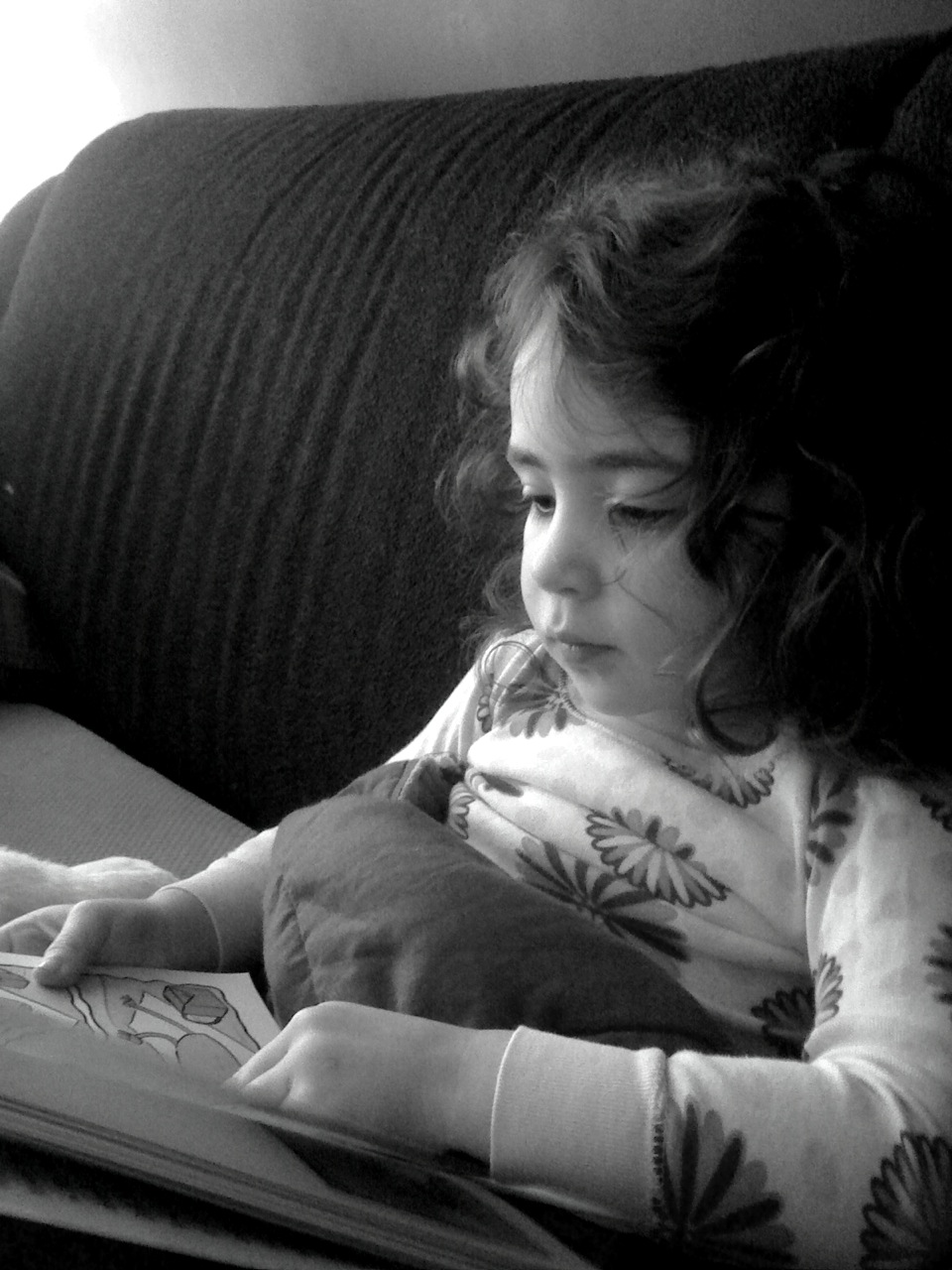
Thank you to everyone who sent in a photo! There are such great photos this week!!! I always need more so please keep them coming to pragmaticmom.com(at)gmail(dot)com. Thank you!!! It is always fun for me to see what old friends are up to and meet new folks. This week, I have a old work colleague who left to pursue other endeavors. She took the gorgeous black and white photo and even her snapshots are amazing as she is a portrait photographer! I met another mom friend, author Melissa Wiley, at KidLitCon 2010 last fall and we both vowed to get All of a Kind Family books back in print. She was responsible for single handedly getting the Betsy-Tacy-Tib series back in print so I have recruited a heavy hitter to my cause! Thank you again to everyone and hope you all have a marvelous Monday!!!
Category: Literacy
Getting kids to love reading including reluctant readers as well as competent readers who just don’t like to read.
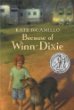
Because of Winn Dixie Book Club activity
My favorite KidLit book in the whole world, Because of Winn-Dixie by Kate DiCamillo, was a very successful and fun 3rd grade girls’ book club. The activity was to make lollipops which was a sneaky education in the science of cooking and to bake dog biscuits.
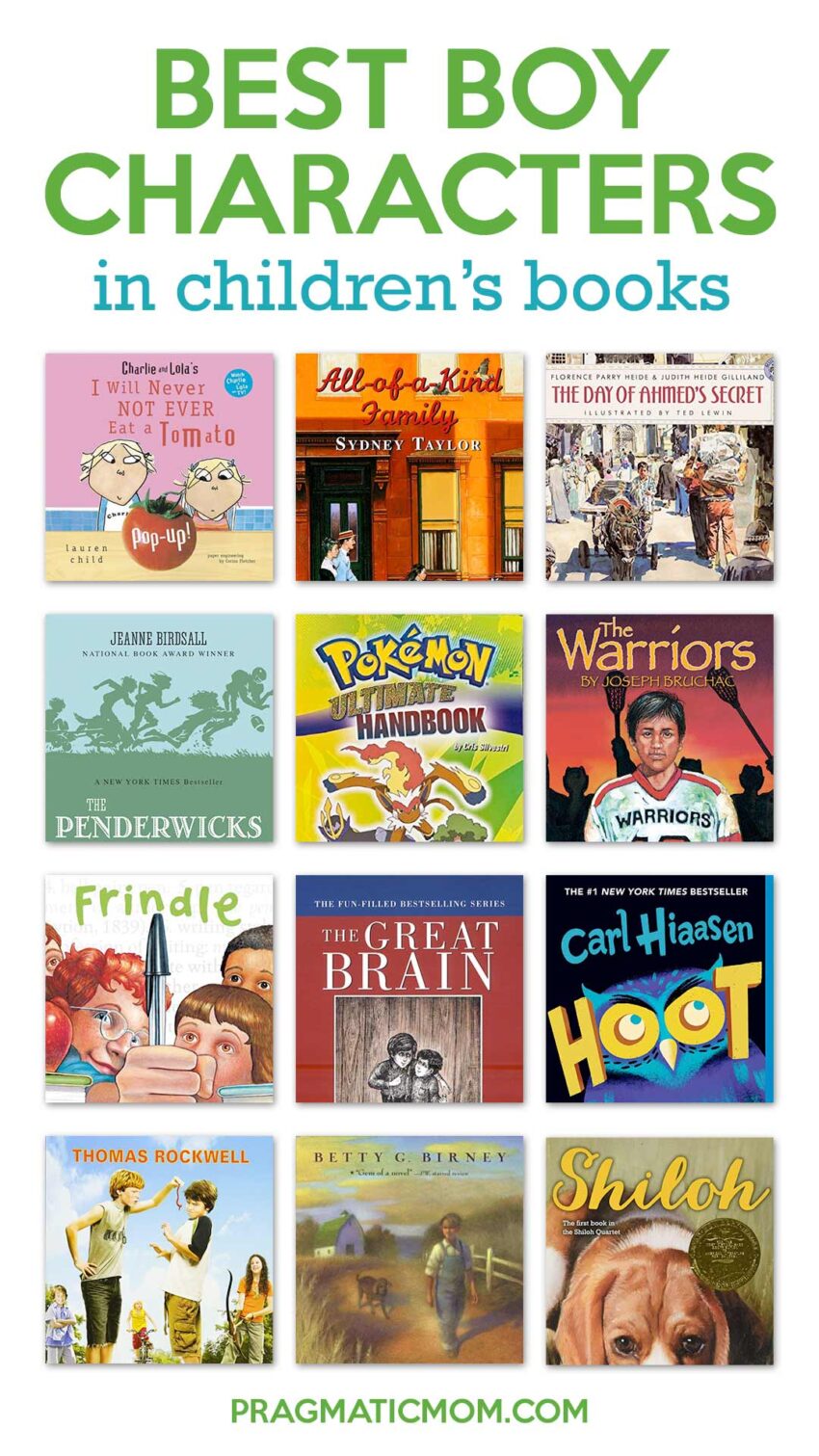
Best Boy Characters in Books (You’d Let Your Child Date)
This list can also be seen as a testament to authors who create characters so real, deep, and nuanced that we fall in love with them, if not for ourselves, then for our children. And I can safely say that no one else is consumed with creating this kind of list!
Top 5: Using Electronic Devices to Get Kids Reading
As a parent whose youngest (and only 6-years-old!) is already attempting to spend every waking hour in front of a screen, I thought I’d suggest some ideas for getting reluctant readers excited about reading in the vein of “if you can’t beat them, join them.” Or a corollary: “Let’s be sneaky and use electronics as a Trojan horse to present reading in a different light.” I’ve been blogging about these ideas that I’ve discovered over the past year and I’m pretty excited about them. Let me know what you think and if they work for you.
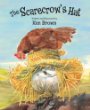
SAT Vocabulary Words from Picture Book The Scarecrow’s Hat
The words for Week 8 are from the picture book, The Scarecrow’s Hat by Ken Brown. Lest you be alarmed that it’s freaky to be teaching SAT vocabulary words to Kindergarteners, I wanted to REITERATE that all the words in this series are from a picture book; however, I failed to notice which picture book on earlier posts. This brings me to another point: picture books often have richer language than easy chapter books, not to mention gorgeous art work. I am a HUGE fan of picture books for all ages. How else can one be transported to a different time and place and/or walk in the shoes of another in the short space of 24ish pages? I digress, onward for the words.
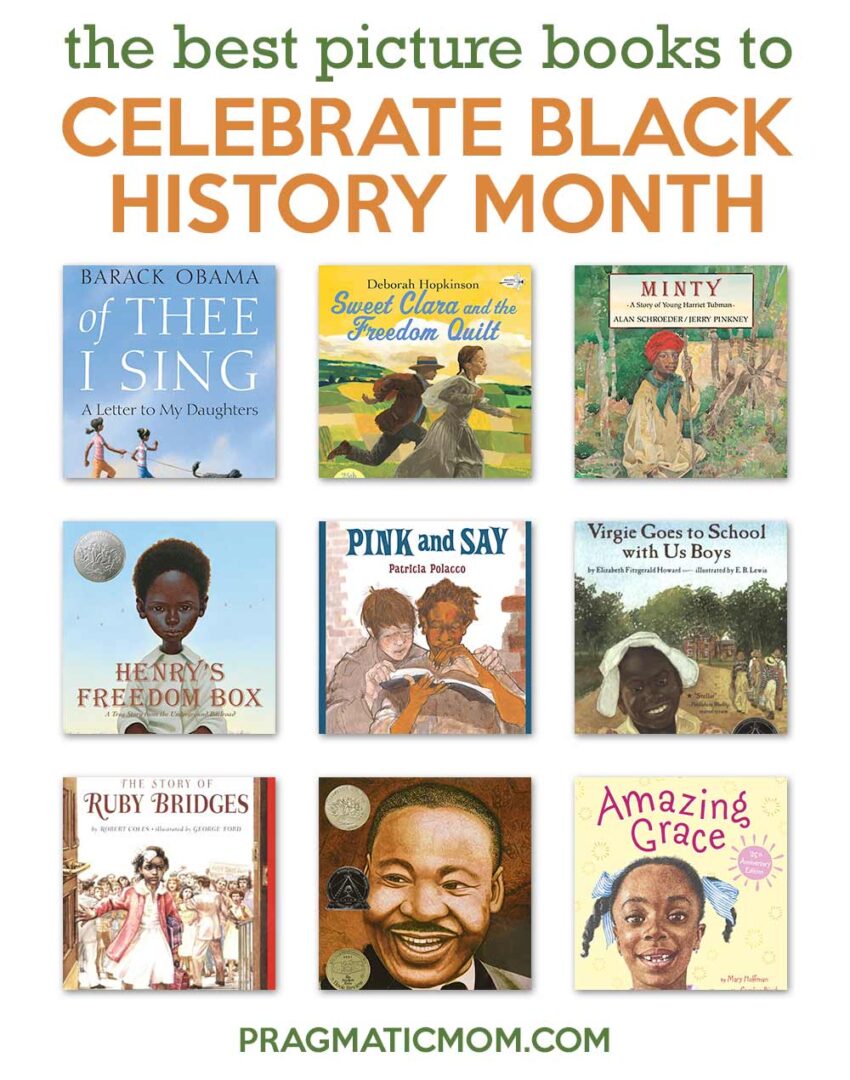
16 Picture Books To Celebrate African American History
This Top 10 list of African American Picture Books is different for me, because rather than list the books from favorite to most favorite as I usually do, I chose instead to list the books in historical chronology such that each book touches on a significant period or event of African American history in the United States. If you read all 10 (and please use your library for this!), you and your child will get a sense of history through picture books. Because each picture books tells its own powerful story, I am hoping you and your child will get images and vignettes that will linger in your mind.
(Free) Developmental Disabilities Literacy Promotion Guide
Reach Out and Read is proud to announce a new literacy guide for children with a range of developmental disabilities. It was developed for Pediatricians and Pediatric health care providers but I think it’s appropriate and helpful for parents as well. Knowledge is power, right? The guide provides reading tips, recommended books, and literacy milestones for children with seven different disabilities: Autism Spectrum Disorder (ASD), Attention Deficit Hyperactivity Disorder (ADHD), Cerebral Palsy (CP), Hearing Loss, Intellectual Disabilities, Speech and Language Problems, and Vision Loss.