Keeping kids off screens seems like an impossible task, so here are 10 ideas that use art to get kids engaged. Why art? It’s the gift that keeps on giving. It nurtures creativity and self-confidence that will show up in other places later on in life. How do I know this? My RISD arty kid just got a National Science Foundation grant that funds her PhD at MIT Media Lab. Art and creativity are also two things that AI can only emulate; artificial intelligence can’t actually create from the heart and soul.
I hope these ideas help keep your kids off screens and get them excited to make art. It’s not just fun, but it’s calming, meditative, and engaging.
Why Your Child Needs Art, Not Apps
Modern childhood comes with unprecedented access to screens. While technology has its place, the constant stimulation can leave kids feeling overwhelmed and jittery. Parents are searching for ways to help their children decompress without defaulting to another device. The answer might be sitting in an art supplies drawer.
Engaging children in hands-on creative work does more than keep them entertained. It addresses a real developmental need while simultaneously calming their nervous systems. This is particularly important for anxious kids who benefit from activities that require focus, repetition, and tangible results.
Understanding Fine Motor Skills and Why They Matter
Fine motor skills involve the small muscles in your hands, fingers, and wrists. These muscles work together to perform precise movements. Writing, typing, buttoning clothes, tying shoes, and eating with utensils all depend on well-developed fine motor skills.
Children develop these skills gradually. The progression moves from large, clumsy movements to increasingly controlled, precise actions. This development doesn’t happen automatically. It requires practice, patience, and the right activities to build strength and coordination.
School success relies heavily on fine motor competence. When children struggle with pencil grip or hand control, writing becomes exhausting rather than expressive. Their ideas may be brilliant, but the physical act of getting them onto paper creates frustration. Quality art activities build the foundational strength needed for academic performance.
The Anxiety Connection: How Art Soothes the Nervous System
Anxiety in children often manifests physically. Kids might fidget, tap their fingers, or bounce their legs without realizing they’re doing it. The body is seeking input and regulation.
Structured art activities provide exactly what anxious brains need. The repetitive motions calm the nervous system. The focus required pulls attention away from worrying thoughts. The sense of accomplishment when finishing a project builds confidence. Creating something beautiful, however imperfectly, reminds children that they are capable.
Research shows that engaging in creative activities reduces cortisol levels—the stress hormone. When kids spend time on art projects, they’re not just occupying themselves. They’re literally changing their brain chemistry in a positive direction.
A Screen-Free Solution That Actually Works
In a world where recommended screen time limits are constantly exceeded, parents need practical alternatives. Many activities suggested online still involve looking at a device to follow instructions. True screen-free means no screens at all. The activity itself becomes the focus, not a digital guide.
The beauty of art activities is their flexibility. They work for different skill levels, attention spans, and interests. You don’t need expensive materials. Many activities use household items. Most importantly, they deliver real benefits without the downsides of digital stimulation.
Ten Art Activities That Build Skills and Calm Minds
The following activities share common characteristics. Each one requires sustained attention. Each builds hand strength and coordination. Each produces a finished product that children can be proud of.
Detailed Coloring and Pattern-Making
Intricate coloring pages aren’t babyish. When children focus on staying within lines and choosing thoughtful color combinations, they’re engaging advanced skills. The meditative nature of coloring provides calming benefits. Many kids who resist “drawing” embrace coloring because the outcome feels less intimidating.
Add complexity by having children create their own patterns. Repeating shapes in specific sequences develops spatial reasoning while building muscle control.
Dotting and Stippling Techniques
Using a dotting tool or toothpick to create images with dots teaches precision. The repetitive nature is incredibly soothing. Kids can create images entirely through small dots, teaching them that finished products don’t require perfect lines or smooth coverage.
String and Thread Art
Wrapping thread around nails or pegs develops finger dexterity. Children must manage tension and direction simultaneously. The geometric patterns that emerge help with visual planning skills.
Pencil Sketching and Shading
Simple sketching exercises teach observation. Start with basic shapes. Progress to simple objects. Introduce light shading to add dimension. This activity builds hand-eye coordination while encouraging creative thinking.
Clay Sculpting and Hand-Molding
Working with clay strengthens hand muscles through resistance. Kids can create functional pieces like pinch pots or decorative sculptures. The tactile experience is grounding for anxious children.
Weaving and Thread Work
Basic weaving on a simple loom teaches pattern recognition and planning. Children must think ahead about color placement. The repetitive over-under motion is meditative.
Beading and Fine Assembly
Small beads require careful hand control. Creating patterns with beads builds sequencing skills. Threading and securing demand concentration and precision.
Paper Cutting and Folding
Origami and paper cutting require planning and fine motor execution. The results are often impressive relative to the effort, building confidence. Repetitive paper folding becomes almost meditative.
Detailed Tracing Exercises
Controlled tracing with pencils or markers builds line control. This activity bridges the gap between copying and independent drawing. It’s foundational for children developing writing skills.
Paint by Numbers: The Structured Art Experience
Here’s where structure meets creativity. Paint-by-numbers kits have a reputation as simple children’s activities, but they’re actually sophisticated fine motor tools. The numbered sections provide a roadmap. This removes decision paralysis and lets kids focus on the physical act of painting.
Many children with anxiety respond well to structured activities. The clear expectations reduce uncertainty. Children know exactly what to do and when they’re finished. There’s no subjective evaluation of whether their work is “good enough.” It either fills the space or it doesn’t.
What makes art by numbers particularly effective is the combination of precision and forgiveness. Kids must carefully apply paint to specific areas, building control, and patience. Simultaneously, slight imperfections don’t ruin the final product. The result is always recognizable and complete.
Quality paint-by-numbers kits vary considerably. Look for sets with larger canvases and clearer number divisions for younger children. Smaller, more detailed sets work for older kids developing advanced skills. Many modern kits feature interesting designs beyond the basic imagery of the past. Explore quality paint-by-numbers options that offer appropriate difficulty levels for different ages.
The satisfaction of completing a paint-by-numbers project shouldn’t be underestimated. Children see a finished painting that they created. Not traced, not copied—created. This tangible evidence of capability builds genuine confidence.
Making Art Time Successful
Create a dedicated space. It doesn’t need to be large. A corner with supplies accessible to your child signals that art time is important and expected.
Set realistic timeframes. Young children might work for fifteen minutes. Older kids can sustain longer sessions. Allow flexibility rather than forcing predetermined amounts of time.
Minimize pressure. Never suggest that artwork needs to be perfect or that mistakes need fixing. The process matters infinitely more than the product.
Participate without controlling. Your presence matters. Sit nearby. Work on your own project. Answer questions. Don’t guide every decision.
Expect a mess. Real art involves materials. Accept that cleanup is part of the experience. Consider the mess a sign of engagement, not a problem.
When Art Becomes a Real Anxiety Tool
Parents often notice changes gradually. A child who previously seemed unable to sit still suddenly works on a project for thirty minutes without prompting. A worried child finds their shoulders relaxing. Fidgeting decreases. Sleep improves. These shifts happen because art addresses real developmental and emotional needs.
The brain responds to focused, purposeful activity. When hands are busy doing something meaningful, the anxious mind has less opportunity to spiral. The body experiences the physical release that comes from creating. The spirit benefits from producing something beautiful.
A Practice Worth Protecting
In parenting, we’re constantly choosing where to invest time and energy. Screen-free hours feel precious in a digital world. Art time might seem optional compared to academics or sports. But the evidence is clear. Regular engagement with creative, hands-on projects builds resilient kids. It develops crucial skills. It provides real anxiety relief.
The solution to modern childhood overwhelm doesn’t require purchasing expensive equipment or enrolling in specialized programs. It requires intention. It requires deciding that fine motor development and anxiety management matter enough to protect regular art time. When you make that choice, you’re giving your child far more than a nice hobby. You’re building a calming tool they can use throughout their life.
p.s. Related posts:
How Playground Equipment Encourages Physical Activity and Motor Skills
Preparing for Kindergarten: Activities to Do with Your Child
Autumn Leaf Art Project for Kids: STEAM Project!
Abstract Art Project for Kids: Koi Fish
Art Project for Kids: Making Paint Like Impressionists
Arthur Dove Abstract Art Project for Kids
Mondrian Music and Art Project for Kids
Mosaic Paint Chip Art Project for Kids
Attempting Screen Free Week April 29 – May 5 2013
Screen Free Week Ideas using K’NEX!
To examine any book more closely at Amazon, please click on image of book.
As an Amazon Associate, I earn from qualifying purchases.
Follow PragmaticMom’s board Multicultural Books for Kids on Pinterest.
Follow PragmaticMom’s board Children’s Book Activities on Pinterest.
My books:

 Bookshop.org / Amazon / Signed or Inscribed by Me
Barbed Wire Between Us by Mia Wenjen, illustrated by Violeta Encarnación
- ⭐ Starred review from Kirkus
- ⭐ Starred review from Publishers Weekly
- ⭐ Starred review from School Library Journal
- Kirkus: The Most Anticipated Children’s Books of Spring 2026
Free and downloadable guide:
Barbed Wire Between Us Teacher’s Guide

Bookshop.org / Amazon / Signed or Inscribed by Me

Bookshop.org / Amazon / Signed or Inscribed by Me
- California Eureka Non-Fiction Gold Award
- Junior Library Guild Gold Selection
- Notable Social Studies Trade Books for Young People Winner (from National Council for the Social Studies and Children’s Book Council)
The Traveling Taco:
- California Eureka Non-Fiction Silver Award
- Notable Social Studies Trade Books for Young People Winner (from National Council for the Social Studies and Children’s Book Council)
- Reading Rockets’ Summer Reading Guide 2025
 Bookshop.org / Amazon / Signed or Inscribed by Me

Bookshop.org / Amazon / Signed or Inscribed by Me
We Sing from the Heart: How the Slants® Took Their Fight for Free Speech to the Supreme Court
- ALSC Notable Children’s Book
- 2025 Carter G. Woodson Book Award Middle Level Honoree
- Orbis Pictus Recommended Book for Outstanding Nonfiction for Children
- 2024 Julia Ward Howe Prize for Children’s Literature Winner
- California Eureka Non-Fiction Award Honor Book
- Notable Social Studies Trade Books for Young People Winner (from National Council for the Social Studies and Children’s Book Council)
- Bank Street Best Children’s Books of the Year 2025
- Recommended Reading for the Social Justice Literature Award 2025 (International Literacy Association)
- Pennsylvania Mountain Laurel Book Award Nominee 2026-27
- Junior Library Guild Gold Selection
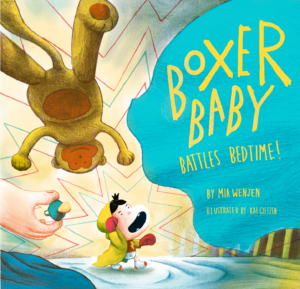 Amazon / Signed or Inscribed by Me
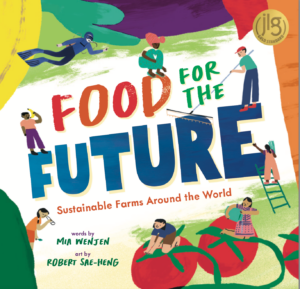 Bookshop.org / Amazon / Barefoot Books / Signed or Inscribed by Me
Food for the Future: Sustainable Farms Around the World
- ⭐ Starred review from School Library Journal!
- Junior Library Guild Gold selection
- Massachusetts Book Award Long List
- dPICTUS 100 Outstanding Picture Books of 2023
- Chicago Library’s Best of the Best
- 2023 INDIES Book of the Year Awards Finalist
- Green Earth Book Award Long List
- Nautilus Silver Winner, Nonfiction Children’s Picture Book
- Sunshine State Young Readers Award Orange Blossom List for Nonfiction
- Imagination Soup’s 35 Best Nonfiction Books of 2023 for Kids
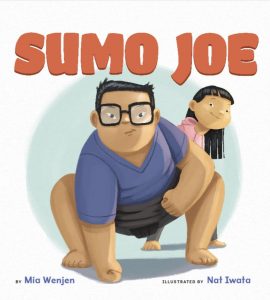
Bookshop.org / Amazon / Signed or Inscribed by Me
Bank Street College’s The Best Children’s Books of the Year
 Amazon / Signed or Inscribed by Me
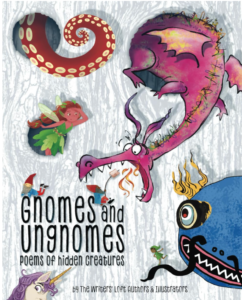
Amazon / Signed or Inscribed by Me