Most parents focus on reading skills. Phonics, fluency, comprehension, and book levels get most of the attention. Those things matter, but they are only part of the picture, and they are not what keep a child reading once school stops requiring it.
There is a quieter factor that often matters more in the long run. It is whether a child actually thinks of themselves as a reader. A reader identity is the belief that reading is part of who you are, and when kids hold that belief, they keep reading long after the worksheets stop.
Why Identity Beats Skill Over Time
Skill gets children through a reading test, but identity carries them through a lifetime of books. A child can decode every word on a page and still avoid books entirely. That gap usually comes down to how they see themselves, not what they can do.
This matters most for kids who already push back against books. Even the most reluctant readers can shift once reading becomes part of their self-image rather than another assignment. The change is rarely about ability, and it almost always starts with belief.
Kids who say “I am a reader” choose books on their own. They read in waiting rooms, on car rides, and under the covers at night. Once that identity forms, reading no longer needs a reason to happen.
Make Reading Visible in Everyday Life
Identity grows through small, repeated signals, and children absorb what they see modeled around them day after day. When books sit on the kitchen counter and the couch, reading feels normal. When the adults in the house read for fun, kids learn that reading is a real choice rather than a chore.
Everyday objects reinforce this too. A reader’s tote bag, an enamel pin, a beloved bookmark, or one of the illustrated bookish phone cases tucked beside a stack of library books all send the same quiet message. They tell a child that reading belongs here and that being a reader is something worth showing.
These cues seem minor on their own, but together they add up quickly. They build an environment where a reading life feels visible, valued, and entirely ordinary, which is exactly the soil a lasting identity needs to grow.
Let Kids Choose Their Own Books
Choice is one of the fastest ways to build identity, because a reader who picks their own book takes ownership of the experience. Resist the urge to steer every selection toward “quality” titles. Comics, graphic novels, joke books, and series fiction all count as real reading.
A child who loves silly books today is still a child who loves books, and that foundation can carry them toward harder reading later. When kids control what they read, reading stops feeling assigned to them. Ownership is where identity quietly takes hold.
Talk About Books As If They Matter
Conversation turns private reading into shared identity. When families talk about books, reading becomes social rather than solitary. Ask open questions instead of quiz questions, since “What did you think of the ending?” invites far more than “What was the main character’s name?”
Share your own reading, too. Tell your kids what you are reading, what bored you, and what kept you up too late at night. These conversations signal that opinions about books are welcome, and a child who feels heard about reading keeps coming back to it.
Build Reading Into Daily Rhythms
Identity sticks when reading has a regular place in the day, because routine removes the question of whether reading will happen at all. Bedtime is the classic anchor, but it is not the only one. Morning reading, after-school reading, and weekend library trips all work just as well.
The goal is consistency, not length. Ten steady minutes a day builds more identity than an occasional marathon session ever could. Small and repeatable almost always beats big and rare when you are shaping a habit.
Keep the Pressure Low
Reading routines work best when they feel safe, so avoid turning daily reading into a performance with logs, timers, and rewards. Extrinsic rewards can backfire over time. Kids start reading for the sticker instead of the story, and the identity you want never quite takes root.
Celebrate the Reader, Not Just the Achievement
Praise shapes identity in powerful ways, and the words you choose tell a child who they are becoming. Try praising the behavior rather than the outcome. “You found a book you really loved” lands very differently from “You finished a hard book.”
Notice their reading personality out loud, too. Calling a child a mystery lover or a fact collector gives them language for the reader they already are. When kids hear themselves described as readers, they tend to grow into the description over time.
Why This Matters Beyond Childhood
A strong reader identity protects reading through hard seasons, since busy school years, screens, and competing hobbies all pull kids away from books. Children who see reading as part of themselves tend to return to it anyway. The habit bends under pressure, but it does not break.
Research on reading for pleasure consistently links it to stronger comprehension, broader vocabulary, and better well-being. Organizations like the National Literacy Trust have documented how much joyful reading shapes long-term outcomes. That payoff starts with identity, not pressure, and when a child believes they are a reader, the rest tends to follow.
A Simple Place to Start
You do not need a new program or a perfect bookshelf to begin. You need to make reading visible, give kids real choice, and talk about books as if they matter. Surround your children with the signals of a reading life, keep the routines gentle, and celebrate the reader they are slowly becoming.
Identity is built in small moments, repeated often over the years. Each one tells your child the same quiet truth: you are a reader, and reading is yours to keep.
Image from Pexels
p.s. Related posts:
How to Get Your Child Interested in Reading
How to Instill a Love of Reading in Your Child
Prompts to Support Your Child’s Reading
How to Create a Reading-Friendly Classroom Space for Elementary Kids
The Traveling Taco on Reading Rockets’ Summer Reading Guide 2025!
To examine any book more closely at Amazon, please click on image of book.
As an Amazon Associate, I earn from qualifying purchases.
Follow PragmaticMom’s board Multicultural Books for Kids on Pinterest.
Follow PragmaticMom’s board Children’s Book Activities on Pinterest.
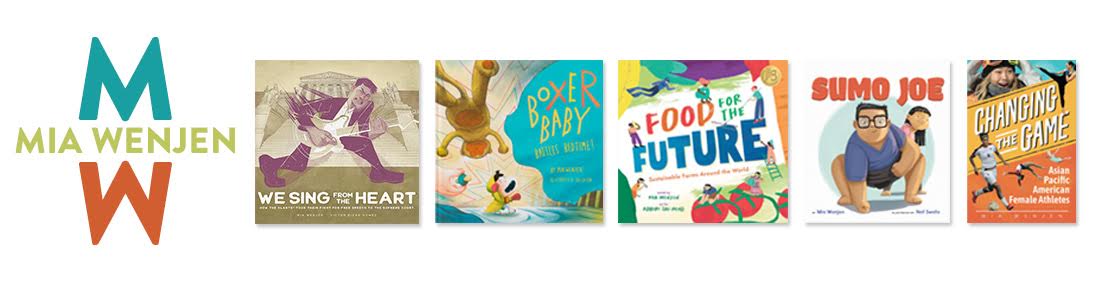
My books:

 Amazon / Signed or Inscribed by Me
Barbed Wire Between Us by Mia Wenjen, illustrated by Violeta Encarnación
- ⭐ Starred review from Kirkus
- ⭐ Starred review from Publishers Weekly
- ⭐ Starred review from School Library Journal
- Kirkus: The Most Anticipated Children’s Books of Spring 2026

Amazon / Signed or Inscribed by Me
- California Eureka Non-Fiction Gold Award
- Junior Library Guild Gold Selection
- Notable Social Studies Trade Books for Young People Winner (from National Council for the Social Studies and Children’s Book Council)
The Traveling Taco:
- California Eureka Non-Fiction Silver Award
- Notable Social Studies Trade Books for Young People Winner (from National Council for the Social Studies and Children’s Book Council)
- Reading Rockets’ Summer Reading Guide 2025
 Amazon / Signed or Inscribed by Me
Amazon / Signed or Inscribed by Me
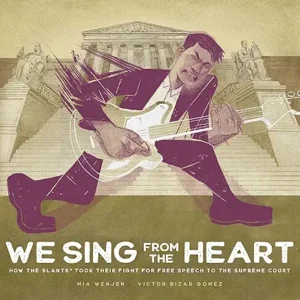
We Sing from the Heart: How the Slants® Took Their Fight for Free Speech to the Supreme Court
- ALSC Notable Children’s Book
- 2025 Carter G. Woodson Book Award Middle Level Honoree
- Orbis Pictus Recommended Book for Outstanding Nonfiction for Children
- 2024 Julia Ward Howe Prize for Children’s Literature Winner
- California Eureka Non-Fiction Award Honor Book
- Notable Social Studies Trade Books for Young People Winner (from National Council for the Social Studies and Children’s Book Council)
- Bank Street Best Children’s Books of the Year 2025
- Recommended Reading for the Social Justice Literature Award 2025 (International Literacy Association)
- Pennsylvania Mountain Laurel Book Award Nominee 2026-27
- Junior Library Guild Gold Selection
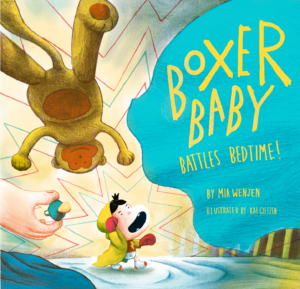 Amazon / Signed or Inscribed by Me
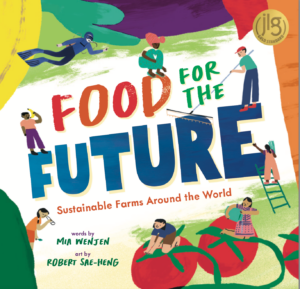 Amazon / Barefoot Books / Signed or Inscribed by Me
Food for the Future: Sustainable Farms Around the World
- ⭐ Starred review from School Library Journal!
- Junior Library Guild Gold selection
- Massachusetts Book Award Long List
- dPICTUS 100 Outstanding Picture Books of 2023
- Chicago Library’s Best of the Best
- 2023 INDIES Book of the Year Awards Finalist
- Green Earth Book Award Long List
- Nautilus Silver Winner, Nonfiction Children’s Picture Book
- Sunshine State Young Readers Award Orange Blossom List for Nonfiction
- Imagination Soup’s 35 Best Nonfiction Books of 2023 for Kids
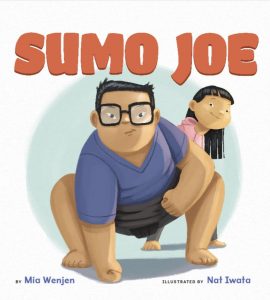
Amazon / Signed or Inscribed by Me
Bank Street College’s The Best Children’s Books of the Year
 Amazon / Signed or Inscribed by Me
Amazon / Signed or Inscribed by Me