Most people expect hair to grow back simply by switching shampoos or adding a vitamin. When it doesn’t, frustration builds. The truth is, hair growth is a biological process — one that responds to specific internal and external conditions, not quick fixes. Understanding how it actually works makes all the difference.
How Hair Growth Works at the Root Level
Hair doesn’t grow continuously. It cycles through three phases: anagen (active growth), catagen (transition), and telogen (resting and shedding). At any given time, roughly 85–90% of your hair is in the anagen phase, which can last two to six years. The remaining strands are either transitioning or preparing to shed.
What most people miss is that hair loss often signals a disruption in this cycle — not damage to the strand itself. When too many follicles shift prematurely into the resting phase, shedding increases noticeably. The root cause of that shift is what determines the right response.
The Role of Nutrition in Hair Growth
Hair follicles are among the most metabolically active structures in the body. They need a steady supply of nutrients to sustain the growth phase. Deficiencies — even mild ones — can quietly slow down or stall hair production.
The most clinically studied nutrients for hair growth include:
- Iron: Low ferritin levels are one of the most common and overlooked causes of hair thinning, especially in women
- Zinc: Supports follicle structure and hormone regulation
- Biotin: A B-vitamin that aids keratin production, though deficiency is rarer than marketed
- Vitamin D: Receptor activity in follicles is linked to growth cycle regulation
- Protein: Hair is almost entirely made of keratin, so inadequate protein intake directly impacts strand quality and growth rate
>Getting a blood test before supplementing is worth it. Overdoing certain nutrients — like zinc or vitamin A — can actually worsen hair loss.
DHT, Hormones, and Androgenetic Hair Loss
One of the most common types of hair loss — androgenetic alopecia — is driven by dihydrotestosterone, or DHT. This hormone binds to receptors in genetically sensitive follicles and gradually shrinks them over time. The result is shorter, thinner hair with each cycle, eventually leading to visible thinning or bald patches.<
This is why the same nutrients or lifestyle habits work for some people and not others. Hormonal and genetic factors need their own targeted approach. Treatments that address DHT — either by reducing its production or blocking its effect at the follicle — tend to show more consistent results for this type of hair loss.
What the Evidence Actually Says About Topical Treatments
When it comes to topical solutions, minoxidil has the most clinical data behind it. It works by prolonging the anagen phase and improving blood flow to the scalp, which means more follicles stay in active growth for longer. It doesn’t block DHT, so for hormone-driven hair loss, it’s often combined with other treatments.
If you’re considering this route, a well-formulated minoxidil hair growth serum applied consistently over several months tends to show more measurable results than most cosmetic hair products on the market. The key word is consistently — minoxidil takes time, and stopping it usually reverses its effects.
Scalp Health Is Not Optional
>A healthy scalp is the foundation for hair growth, yet it’s often treated as an afterthought. Chronic scalp inflammation, fungal buildup, or excess sebum can physically block follicles and disrupt the growth environment.
Simple habits that support scalp health:
- Regular but not excessive washing to prevent product and sebum buildup
- Scalp massage, which has shown modest evidence for increasing hair thickness by stimulating blood flow
- Avoiding harsh sulfates if your scalp is already sensitive or inflamed
- Treating dandruff or seborrheic dermatitis early, as ongoing inflammation affects follicle function over time
Addressing the Root Cause, Not Just the Symptom
The reason most hair growth routines fail is that they address the visible symptom — thinning strands — without identifying what’s driving it. Is it hormonal? Nutritional? Stress-related? A scalp condition? The answer changes the solution entirely.
Some approaches, like Traya Hair Growth programs, are built around this diagnostic thinking — mapping the specific causes behind an individual’s hair loss before recommending a treatment path. That kind of structured approach tends to produce more meaningful and lasting results than guesswork with supplements or shampoos.
Final Thoughts
Hair growth science isn’t complicated once you understand the basics — cycles, nutrients, hormones, and scalp health all play real roles. The challenge is figuring out which factor is most relevant to your situation. Start there, be patient with timelines, and choose treatments that have actual evidence behind them. That’s a more honest path to better results than most of what’s marketed.
p.s. Related posts:
27 Children’s Books Celebrating Natural African American Hair
Hidden Halo vs Tape-Ins: Which One’s Best for Thin Hair
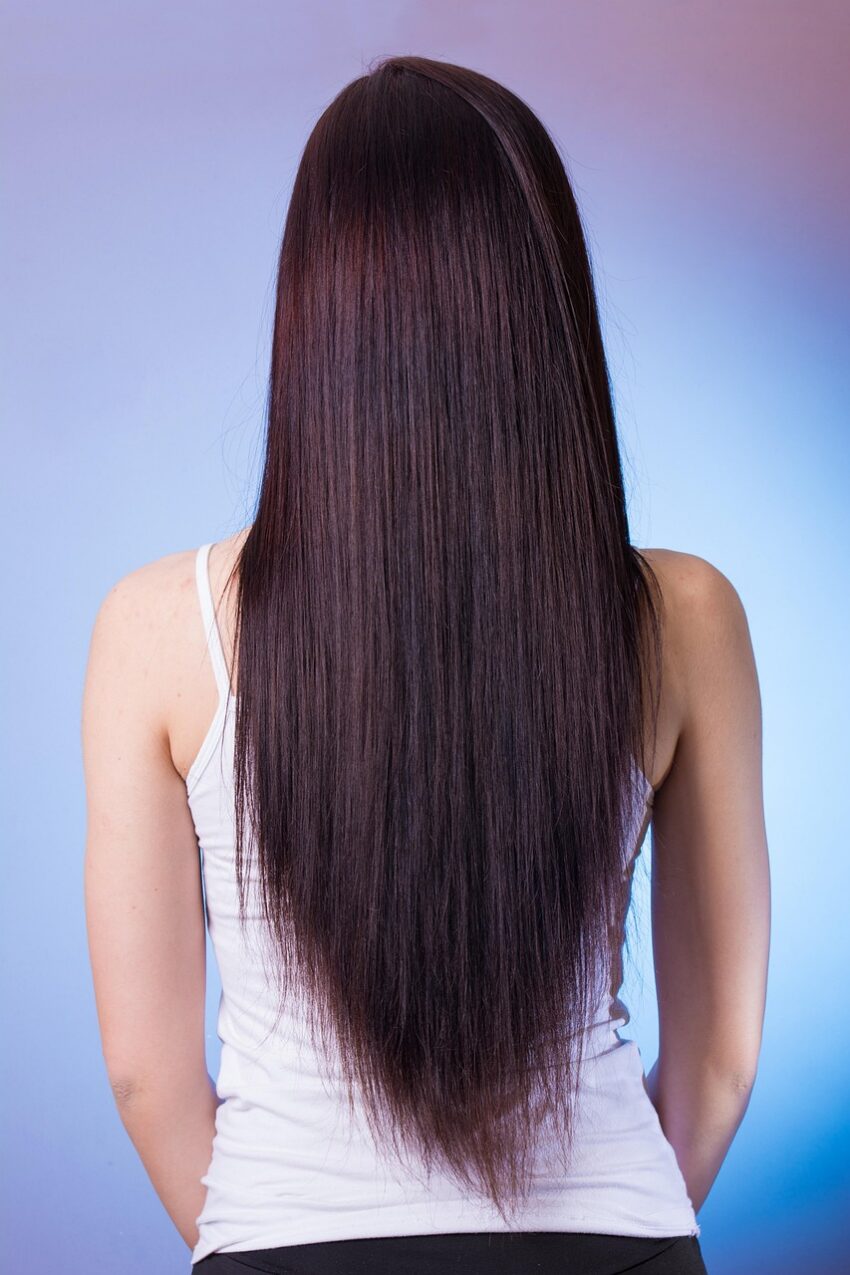
image from Pixabay
To examine any book more closely at Amazon, please click on image of book.
As an Amazon Associate, I earn from qualifying purchases.
Follow PragmaticMom’s board Multicultural Books for Kids on Pinterest.
Follow PragmaticMom’s board Children’s Book Activities on Pinterest.
My books:

 Amazon / Signed or Inscribed by Me
Barbed Wire Between Us by Mia Wenjen, illustrated by Violeta Encarnación
- ⭐ Starred review from Kirkus
- ⭐ Starred review from Publishers Weekly
- ⭐ Starred review from School Library Journal
- Kirkus: The Most Anticipated Children’s Books of Spring 2026

Amazon / Signed or Inscribed by Me
- California Eureka Non-Fiction Gold Award
- Junior Library Guild Gold Selection
- Notable Social Studies Trade Books for Young People Winner (from National Council for the Social Studies and Children’s Book Council)
The Traveling Taco:
- California Eureka Non-Fiction Silver Award
- Notable Social Studies Trade Books for Young People Winner (from National Council for the Social Studies and Children’s Book Council)
- Reading Rockets’ Summer Reading Guide 2025
 Amazon / Signed or Inscribed by Me

Amazon / Signed or Inscribed by Me
We Sing from the Heart: How the Slants® Took Their Fight for Free Speech to the Supreme Court
- ALSC Notable Children’s Book
- 2025 Carter G. Woodson Book Award Middle Level Honoree
- Orbis Pictus Recommended Book for Outstanding Nonfiction for Children
- 2024 Julia Ward Howe Prize for Children’s Literature Winner
- California Eureka Non-Fiction Award Honor Book
- Notable Social Studies Trade Books for Young People Winner (from National Council for the Social Studies and Children’s Book Council)
- Bank Street Best Children’s Books of the Year 2025
- Recommended Reading for the Social Justice Literature Award 2025 (International Literacy Association)
- Pennsylvania Mountain Laurel Book Award Nominee 2026-27
- Junior Library Guild Gold Selection
 Amazon / Signed or Inscribed by Me
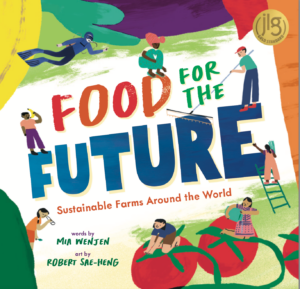 Amazon / Barefoot Books / Signed or Inscribed by Me
Food for the Future: Sustainable Farms Around the World
- ⭐ Starred review from School Library Journal!
- Junior Library Guild Gold selection
- Massachusetts Book Award Long List
- dPICTUS 100 Outstanding Picture Books of 2023
- Chicago Library’s Best of the Best
- 2023 INDIES Book of the Year Awards Finalist
- Green Earth Book Award Long List
- Nautilus Silver Winner, Nonfiction Children’s Picture Book
- Sunshine State Young Readers Award Orange Blossom List for Nonfiction
- Imagination Soup’s 35 Best Nonfiction Books of 2023 for Kids
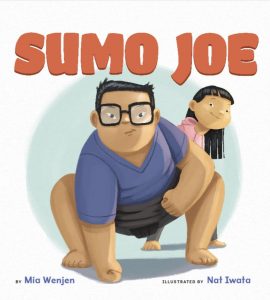
Amazon / Signed or Inscribed by Me
Bank Street College’s The Best Children’s Books of the Year
 Amazon / Signed or Inscribed by Me
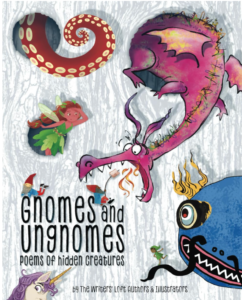
Amazon / Signed or Inscribed by Me