You can learn Japanese in a more natural way by exploring the worlds of anime and manga. These stories use the same language people speak every day, so you hear and see Japanese words in realistic settings. Speech patterns, tone, and slang from your favorite shows and comics make lessons feel more familiar and easier to remember. Anime and manga help you build practical language skills while you enjoy stories you already love.
As you interact with characters and storylines, you gain more than just vocabulary; you also learn about Japanese culture, customs, and everyday life. This connection between entertainment and education keeps you motivated to continue studying. You can pair these materials with lessons from an online Japanese teacher to correct your pronunciation and deepen your understanding of grammar and expressions. You can also support this learning through everyday exposure and practice. Watching short clips or episodes with Japanese subtitles helps you connect spoken language to written forms. Reading manga, blogs, or simple news articles builds comprehension without pressure. Repeating lines out loud improves fluency and confidence. Small habits like these turn entertainment into steady, real progress.
Key Takeaways
- Anime and manga make Japanese language learning more natural and interesting.
- Stories and dialogue teach cultural context and real-world expressions.
- Combining self-study with an online tutor builds strong, practical skills.
Key Ways Anime and Manga Support Japanese Learning
Anime and manga help you engage with the Japanese language as it is used in real conversations. You hear and read natural expressions, see cultural habits tied to the language, and develop a better sense of how words work together in everyday life.
Exposure to Authentic Language and Vocabulary
You gain access to real Japanese speech patterns through anime and manga. Characters speak in natural, informal ways that textbooks rarely include. This exposure helps you notice slang, casual phrases, and regional dialects that shape everyday conversation.
In manga, dialogue often matches how people actually talk, complete with sentence particles and emotional tone markers. These features help you understand how language changes based on context and relationships. Reading also introduces you to topic-specific vocabulary related to school, work, or daily life.
To study more effectively, you can note useful expressions, translate short phrases, and compare them to textbook forms. This active approach helps you connect what you learn from entertainment to real communication.
Listening Comprehension and Pronunciation Practice
Anime allows you to hear native speakers with clear tone and rhythm. You build listening comprehension by hearing repeated words and phrases in different situations. Over time, your ear adapts to natural speech speed and accent variety.
Subtitles can guide your understanding at first. Gradually, you can shift to watching without them for short scenes or familiar series. This helps test your grasp of meaning and structure.
You also improve pronunciation by mimicking lines from characters. Speaking aloud helps train your mouth to produce sounds common in Japanese, such as long vowels and doubled consonants. As a result, you learn how to express yourself with more natural flow.
Reading Skills and Kanji Recognition
Manga provides a steady source of written Japanese in a visual format. You practice reading dialogue and narration written in everyday sentence forms, which reinforces your recognition of hiragana, katakana, and kanji.
Most modern manga include furigana—small kana printed above kanji—to help with reading unfamiliar characters. This support makes it easier to link pronunciation with meaning. You can build a vocabulary list from kanji that appear often and use them in simple sentences.
By following the story, you also practice reading direction (right to left, top to bottom) and learn how language fits with cultural references in the art. Repeated exposure to printed words strengthens both understanding and reading speed.
Understanding Grammar in Context
Anime and manga show grammar in action, helping you see how rules apply in natural settings. Instead of memorizing forms in isolation, you watch characters use them to give commands, ask questions, or show politeness.
You notice differences between formal and informal grammar through tone and situation. For example, how characters switch between polite and plain forms depending on who they talk to. This context helps you decide which forms sound natural in daily use.
You can reinforce what you hear or read by writing short examples that mirror scenes from your favorite titles. This practical method helps grammar patterns feel familiar and usable in your own speech.
Effective Strategies and Recommended Resources
Anime and manga can strengthen your study routine, help you connect grammar with real dialogue, and expose you to daily expressions and cultural cues. You can improve your vocabulary, learn sentence rhythm, and understand Japanese social behavior through visual context and emotional tone.
Choosing Suitable Anime and Manga Titles
Select titles that match your current language level. Children’s series like Doraemon, Chi’s Sweet Home, or Yotsuba&! use simple vocabulary and repeat key phrases, which helps new learners master hiragana and basic grammar. Slice-of-life stories such as Shirokuma Café introduce natural speech and polite conversation patterns useful for daily interactions.
As you gain confidence, move to more advanced series. Naruto introduces a wider range of verbs and idioms in action and fantasy settings. Clannad and Shigatsu wa Kimi no Uso provide drama vocabulary related to emotions and relationships. Steins;Gate and Attack on Titan work for learners who want science fiction or complex dialogue. Classic works by Osamu Tezuka display older styles of speech and cultural nuance helpful for historical context.
Try to balance different genres to cover language used in various social situations. Choose stories that interest you since motivation strongly affects second language learning.
Using Subtitles, Furigana, and Supplementary Tools
The way you use subtitles and furigana can shape how quickly you absorb vocabulary. Start with Japanese subtitles to connect sound and written form. Then switch between Japanese and English subtitles to confirm meaning while keeping your focus on Japanese structure
Print-based manga often include >furigana, small hiragana characters above kanji, which help you recognize both the pronunciation and meaning of words. Note new kanji in a notebook and review them through spaced repetition.
Use a bilingual dictionary or a vocabulary app to check unknown expressions as you read or watch. Write short summaries in Japanese to reinforce sentence patterns. Consistent interaction with authentic dialogue helps you retain grammar and pronunciation naturally.
Incorporating Cultural Context and Genre Diversity
Learning through anime and manga gives insight into Asian culture, social hierarchy, and daily manners. You see how characters follow group harmony, express respect, and balance emotion with restraint. This context improves not only comprehension but also your ability to use phrases correctly in conversation.
Study across genres—action, drama, fantasy, and science fiction—to observe how setting affects tone and vocabulary. A fantasy story may use formal or archaic words, while a drama about school life shows casual slang and honorific forms.
Compare how characters act in different situations to understand cultural nuance and societal norms. This awareness supports personal growth and deepens your appreciation for Japanese pop culture as more than entertainment but also as a reflection of language in real life.
Conclusion
You can use anime and manga to make Japanese study more meaningful and practical. These forms of media expose you to natural speech, cultural expressions, and common situations. Therefore, they help you understand how the language fits real-life contexts instead of only memorizing textbook rules.
Anime and manga also provide consistent exposure to native pronunciation and tone. By following dialogue in stories you enjoy, you learn how to recognize sentence patterns and adjust your listening comprehension more effectively. In addition, many learners report higher motivation and confidence because they connect study with personal interests.
Both resources can serve as gateways to deeper cultural understanding. You discover how language reflects customs, humor, and social relationships. As a result, your progress in Japanese connects with cultural awareness.
In short, using anime and manga as study tools helps you combine entertainment with education. You build vocabulary, strengthen listening and reading skills, and experience culture in context. This balanced approach supports steady growth in your understanding and use of Japanese.
p.s. Related posts:
19 Bilingual Japanese Children’s Books
Learning Japanese Through Games
90 Great Diverse Graphic Novels for Kids and Teens
158 Japanese American Books for Kids & Teens
image from Wiki Commons
To examine any book more closely at Amazon, please click on image of book.
As an Amazon Associate, I earn from qualifying purchases.
Follow PragmaticMom’s board Multicultural Books for Kids on Pinterest.
Follow PragmaticMom’s board Children’s Book Activities on Pinterest.
My books:


Amazon / Signed or Inscribed by Me
- California Eureka Non-Fiction Gold Award
- Junior Library Guild Gold Selection
 Amazon / Signed or Inscribed by Me
Barbed Wire Between Us by Mia Wenjen, illustrated by Violeta Encarnación
- ⭐ Starred review from Kirkus
- Kirkus: The Most Anticipated Children’s Books of Spring 2026
 Amazon / Signed or Inscribed by Me
The Traveling Taco:
- California Eureka Non-Fiction Silver Award
- Reading Rockets’ Summer Reading Guide 2025

Amazon / Signed or Inscribed by Me
We Sing from the Heart: How the Slants® Took Their Fight for Free Speech to the Supreme Court
- ALSC Notable Children’s Book
- 2025 Carter G. Woodson Book Award Middle Level Honoree
- Orbis Pictus Recommended Book for Outstanding Nonfiction for Children
- 2024 Julia Ward Howe Prize for Children’s Literature Winner
- California Eureka Non-Fiction Award Honor Book
- Notable Social Studies Trade Books for Young People Winner (from National Council for the Social Studies and Children’s Book Council)
- Bank Street Best Children’s Books of the Year 2025
- Recommended Reading for the Social Justice Literature Award 2025 (International Literacy Association)
- Junior Library Guild Gold Selection
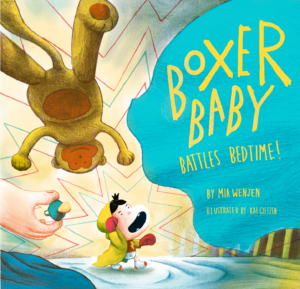 Amazon / Signed or Inscribed by Me
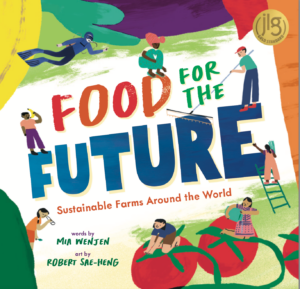 Amazon / Barefoot Books / Signed or Inscribed by Me
Food for the Future: Sustainable Farms Around the World
- ⭐ Starred review from School Library Journal!
- Junior Library Guild Gold selection
- Massachusetts Book Award Long List
- dPICTUS 100 Outstanding Picture Books of 2023
- Chicago Library’s Best of the Best
- 2023 INDIES Book of the Year Awards Finalist
- Green Earth Book Award Long List
- Nautilus Silver Winner, Nonfiction Children’s Picture Book
- Sunshine State Young Readers Award Orange Blossom List for Nonfiction
- Imagination Soup’s 35 Best Nonfiction Books of 2023 for Kids
Amazon / Signed or Inscribed by Me
Bank Street College’s The Best Children’s Books of the Year
 Amazon / Signed or Inscribed by Me
Amazon / Signed or Inscribed by Me