Between work schedules, homework, and after-school chaos, sitting down for dinner can feel like a luxury. However, family meals are a cornerstone of connection, building habits and bonds that last into adulthood. The long-term mental health benefits of sit-down mealtimes go beyond the table.
1. Builds Emotional Security and Stability
Predictable routines give children a sense of safety. Sharing a nourishing plate is a consistent part of the day, and it tells them, “You matter, and we’ll show up for you.” That sense of belonging strengthens emotional resilience and helps them regulate feelings when life feels uncertain.
Preparing and sharing meals together in a calm environment helps everyone flourish. It boosts well-being and strengthens emotional connections while creating a safe space for sharing.
Food doesn’t have to be elaborate. Simple, wholesome food and open conversation create a comfortable setting for kids to share concerns with their parents.
2. Strengthens Family Communication
Meal times may be the only times in the day when everyone slows down enough to talk, which makes this time extra special. Conversations at the table help little ones learn to express feelings, ask questions and solve problems without judgment.
A 2023 study of Spanish adolescents found that more frequent shared meals were associated with , stress and anxiety. The key is to pair a healthy plate with open dialogue, laughter and connection. Put away phones and focus on each other to nourish your bodies, communication, and empathy.
3. Encourages Healthier Eating Habits and Development
Children should eat three or more family dinners> at the table with their families per week, both for their mental health and to see you model nutritious eating habits. Eating more fruits and vegetables and fewer sugary drinks supports a healthy weight, and these habits can stick.
Home meals, regular activity and mental engagement can support kids’ overall development. Those who stay active and eat well show improved personal image, reduced stress and better mood regulation. Your shared food rituals and physical activity lay the foundation for lifelong well-being.
4. Fosters the Social Benefits of Eating Family Dinner Together
The dinner table is a built-in classroom for empathy, patience and conversation skills. There, little ones learn to take turns, handle disagreements and negotiate simple tasks like who gets to eat the last potato. They learn about teamwork by clearing the table and expressing gratitude for a delicious meal in a low-pressure environment. They could even become more creative by telling a story about their day to earn the last brownie.
A 2023 study found that adolescents with fewer family meals had higher risks of substance abuse and poorer mental health due to less effective socialization at home. Along with table manners, structured mealtimes offer a reminder that your kid is part of a team. That sense of belonging is one of the strongest predictors of healthy social development.
5. Improves Academic Outcomes
Dinner may not seem related to grades, but there’s a connection. The Food Industry Association’s 2024 report found that joint meals contribute to better academic performance. Better nutrition fuels focus, while open communication builds the confidence to question and seek help.
Think of dinner as your family’s nightly reset. It’s a space to reconnect, laugh and recharge for the next day.
6. Promotes Long-Term Mental Well-Being
The benefits of family dinners extend into adulthood. Kids who grow up sharing meals with parents are more emotionally balanced and empathetic as adults. A 2024 review found that frequent, friendly and lively sit-downs with families are linked to mental health resilience into young adulthood. The emotional connection and security built around plated food can shape how children relate to others for years to come.
The lesson is simply about consistently showing up, no matter what’s for dinner. Change family dinner statistics showing a decline in this wholesome tradition, such as that only 38% of now-adult Gen Zers report eating meals with their families when growing up.
How to Make Family Dinner Work in a Busy World
People live busy lives, but enjoying a pleasing meal together is still possible. Start small in these ways:
- Aim for three to four shared meals weekly: Count breakfast if dinner’s impossible.
- Keep food simple: Rotisserie chicken and frozen veggies work just fine.
- Include your kids: Let them choose a menu, stir the pot, or set the table.
- Put away distractions: Turn phones and the TV off so a real connection can switch on.
- Pair food with movement: Take group walks, sports, or dance nights to reinforce teamwork and emotional bonding.
Make Family Dinner Social Again
Sit-down meals are some of the simplest ways to nurture your little one’s mental health. Gathering, sharing, and listening build connections and emotional strength long after the plates are cleared.
Even a few times per week can make a significant difference. Alongside feeding them, you’re fueling their growth, resilience, and sense of belonging.
p.s. Related posts:
8 Picture Books Sharing the Joy of Cooking with Family and Loved Ones
The Family Dinner with Dr. Michele Borba
Delivering Thanksgiving Dinner to the Elderly: Our Hasbro Kindness Project
Cooking Class: Gnocchi From Scratch at Saltbox Farm Cooking School
To examine any book more closely at Amazon, please click on image of book.
As an Amazon Associate, I earn from qualifying purchases.
Follow PragmaticMom’s board Multicultural Books for Kids on Pinterest.
Follow PragmaticMom’s board Children’s Book Activities on Pinterest.
My books:


Amazon / Signed or Inscribed by Me
- California Eureka Non-Fiction Gold Award
- Junior Library Guild Gold Selection
 Amazon / Signed or Inscribed by Me
Barbed Wire Between Us by Mia Wenjen, illustrated by Violeta Encarnación
- ⭐ Starred review from Kirkus Reviews!
 Amazon / Signed or Inscribed by Me
The Traveling Taco:
- California Eureka Non-Fiction Silver Award
- Reading Rockets’ Summer Reading Guide 2025

Amazon / Signed or Inscribed by Me
We Sing from the Heart: How the Slants® Took Their Fight for Free Speech to the Supreme Court
- ALSC Notable Children’s Book
- 2025 Carter G. Woodson Book Award Middle Level Honoree
- Orbis Pictus Recommended Book for Outstanding Nonfiction for Children
- 2024 Julia Ward Howe Prize for Children’s Literature Winner
- California Eureka Non-Fiction Award Honor Book
- Notable Social Studies Trade Books for Young People Winner (from National Council for the Social Studies and Children’s Book Council)
- Bank Street Best Children’s Books of the Year 2025
- Junior Library Guild Gold Selection
 Amazon / Signed or Inscribed by Me
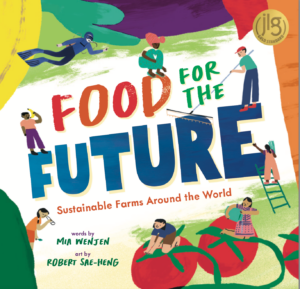 Amazon / Barefoot Books / Signed or Inscribed by Me
Food for the Future: Sustainable Farms Around the World
- ⭐ Starred review from School Library Journal!
- Junior Library Guild Gold selection
- Massachusetts Book Award Long List
- dPICTUS 100 Outstanding Picture Books of 2023
- Chicago Library’s Best of the Best
- 2023 INDIES Book of the Year Awards Finalist
- Green Earth Book Award Long List
- Nautilus Silver Winner, Nonfiction Children’s Picture Book
- Sunshine State Young Readers Award Orange Blossom List for Nonfiction
- Imagination Soup’s 35 Best Nonfiction Books of 2023 for Kids

Amazon / Signed or Inscribed by Me
Bank Street College’s The Best Children’s Books of the Year
 Amazon / Signed or Inscribed by Me
Amazon / Signed or Inscribed by Me