Children are not naturally empathetic when they’re young. In the early years, kids are focused on development and survival, so they can’t quite grasp what’s happening outside of themselves. The good news is that empathy is an easy emotion to tap into. One of the ways to teach empathy is through real-life experiences, like when a friend or family member is suffering from loss or grief. Here are some of the ways you can help kids learn empathy through sympathy gifts.
Specific Gifts You Can Give
The most straightforward way to teach empathy is through the physical act of choosing or creating a gift. As you pick out the right item or prepare something special, children make the connection to the emotion of loss.
Create a “We Care” Box
A “We Care” box can be a beautiful way for kids to learn to have compassion and relate to what someone else is going through. You can start by discussing the loss and the person you’re hoping to comfort. Pick out a box together from a craft store or make one at home. Then, you can decorate the outside with drawings, attachments, stickers, and other gentle signals to help your loved one.
Next, sit with your child and plan what you want to put in the box. These could be anything from pictures of a departed loved one to tissues to help someone who’s crying. You might also include favorite snacks, treats, and a sympathy card with a nice note inside. You could add a candle, bubble bath, and books and magazines for someone recovering from an illness. Give your child ideas, but make sure they are the ones picking out and placing specific items.
Help Prepare a Meal
One time-honored tradition when someone is hurting is to bring food. A warm, home-cooked meal is one of the best sympathy gifts you can give or get, and it’s almost always welcomed. When someone’s suffering, they rarely have time to think about eating, much less cooking a meal. Providing nourishment is a way to say “I’m here for you.” Of course, this makes it a perfect way to teach empathy to a kid.
You can plan a meal with your child and discuss what foods might bring comfort to someone. The best option would be something that’s easy to make, package, deliver, and reheat. Think of soups, pastas, casseroles, and baked goods. Let your child add ingredients, stir, and even chop if it’s age-appropriate. As you cook, discuss what makes food an ideal sympathy gift, and how your child feels when they get good food when they’re not feeling well.
Volunteer or Raise Funds for a Cause
Another wonderful way to show you care about someone’s suffering is to volunteer for an important cause that’s related. For example, if your friend lost someone to breast cancer, you could do a breast cancer walk or raise funds for a breast cancer foundation. This way, you can have a much larger impact than a single gift. You’re showing that the larger issue matters to you as well.
You can bring your child into this lesson by including them in volunteer work or fundraising. This is a great opportunity to discuss both the loss and the cause. At an age-appropriate level, you can talk about death, the cause of death, and how to prevent future deaths from the same issues. Together, you can organize a bake sale, a car wash, or a lemonade stand to raise funds. Then, have your child help you deliver the funds to the organization.
Ways to Talk About Sympathy Gifts
Beyond gift-giving, it’s important to have ongoing conversations with your child about empathy, sympathy, compassion, and suffering. This helps bring the emotions to the forefront, so your child can relate directly and behave accordingly.
Tell Stories
One of the most powerful ways to teach empathy is through stories. You can purchase books, watch films, and sit together to share real-life stories of loss and sadness. As you purchase or make gifts, prepare meals, or volunteer, talk about why you’re doing what you do. Look for information on other people suffering in the same way and what helped them through their tough times. Then, discuss with your child ways you might help your loved one move through their pain.
Reflect on the Experience
Once you do give a sympathy gift, talk about the experience with your kid. Ask them how they feel about their loved one’s grief and suffering. Help them discuss their emotions about giving and providing support. From there, you can move into deeper talks that help them start imagining how they would feel if they were in the same situation. Explain that loss and grief are part of the human experience, and that you will always have each other and other loved ones to turn to for comfort.
Praise Empathetic Behavior
Finally, when you witness your child exhibiting empathetic behavior, praise them. After this experience, you’ll likely start to see them acting with more compassion, even in small ways. Make sure to pay attention and then talk about it when you see it. This encourages continued empathy and fosters future communication. Then, of course, continue to model this behavior for your child.
In the end, empathy is one of the most important and productive emotions humans can have. Although most children are not naturally empathetic at a young age, you can foster this quality through giving, volunteering, and stories filled with real-life discussions. Once kids realize that all humans are connected by both love and loss, they’ll quickly pick up on ways to embrace empathy and offer compassion.
p.s. Related posts:
Teaching Empathy Through Books About The Importance of One’s Name
FREE Classroom Empathy Kit: Immigration & Refugees
11 Picture Books About Africa That Teach Empathy
30 Book Lists to Teach Kids Empathy and Compassion
To examine any book more closely at Amazon, please click on image of book.
As an Amazon Associate, I earn from qualifying purchases.
Follow PragmaticMom’s board Multicultural Books for Kids on Pinterest.
Follow PragmaticMom’s board Children’s Book Activities on Pinterest.
My books:

 Amazon / Signed or Inscribed by Me
The Traveling Taco:
- Reading Rockets’ Summer Reading Guide 2025

Amazon / Signed or Inscribed by Me
- Junior Library Guild Gold Selection

Amazon / Signed or Inscribed by Me
We Sing from the Heart: How the Slants® Took Their Fight for Free Speech to the Supreme Court
- ALSC Notable Children’s Book
- 2025 Carter G. Woodson Book Award Middle Level Honoree
- Orbis Pictus Recommended Book for Outstanding Nonfiction for Children
- 2024 Julia Ward Howe Prize for Children’s Literature Winner
- California Eureka Non-Fiction Award Honor Book
- Notable Social Studies Trade Books for Young People Winner (from National Council for the Social Studies and Children’s Book Council)
- Bank Street Best Children’s Books of the Year 2025
- Junior Library Guild Gold Selection
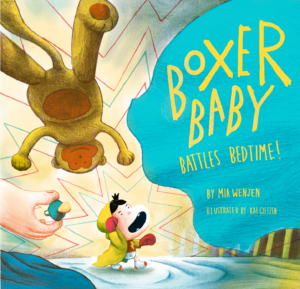 Amazon / Signed or Inscribed by Me
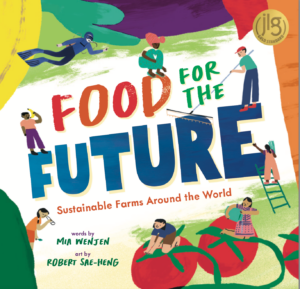 Amazon / Barefoot Books / Signed or Inscribed by Me
Food for the Future: Sustainable Farms Around the World
- ⭐ Starred review from School Library Journal!
- Junior Library Guild Gold selection
- Massachusetts Book Award Long List
- dPICTUS 100 Outstanding Picture Books of 2023
- Chicago Library’s Best of the Best
- 2023 INDIES Book of the Year Awards Finalist
- Green Earth Book Award Long List
- Nautilus Silver Winner, Nonfiction Children’s Picture Book
- Sunshine State Young Readers Award Orange Blossom List for Nonfiction
- Imagination Soup’s 35 Best Nonfiction Books of 2023 for Kids

Amazon / Signed or Inscribed by Me
Bank Street College’s The Best Children’s Books of the Year
 Amazon / Signed or Inscribed by Me
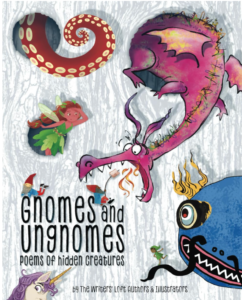
Amazon / Signed or Inscribed by Me