Art projects and school supplies have always been essential parts of learning and creativity. Historically, classrooms and homes have struggled to contain the growing collections of materials and completed projects. Overflow can lead to clutter, lost items, and frustration for both parents and students. Managing this overflow effectively helps create a more organized and productive environment.
By assessing what to keep, decluttering regularly, and using smart storage solutions, families and educators can maintain order while encouraging creativity. Thoughtful organization ensures supplies are accessible and projects are preserved without overwhelming spaces. With the right strategies, managing overflow becomes easier, supporting ongoing learning and artistic expression.
Insight:
Keeping art and school materials organized protects creativity and learning while making everyday spaces calm and manageable.
Assessing What to Keep
When managing overflow from art projects and school supplies, the first step is assessing which items are truly worth keeping. It’s common for families and classrooms to accumulate a large number of materials and completed projects over time, many of which may no longer be useful or meaningful. Determining what to keep involves considering the sentimental value, educational relevance, and practical use of each item. For example, treasured artwork that captures a child’s growth or important school projects may deserve preservation, while excess supplies or duplicate materials might be better set aside or donated. Often, available space at home or school is limited, making it necessary to find alternative storage options. Affordable storage in Youngtown, AZ with NSA Storage offers a practical solution for safely storing items that you want to keep but don’t have room for on a daily basis. These storage units provide clean, secure, and accessible spaces to hold overflow materials until they are needed or ready to be reviewed again. By thoughtfully assessing what to keep and utilizing external storage options, you can reduce clutter and maintain a more organized environment that supports creativity and learning. This careful evaluation sets the foundation for effective management of art and school supply overflow.
Decluttering Effectively
Decluttering is a key step in managing overflow from art projects and school supplies. It helps create space and keeps your environment tidy, making it easier to focus and find what you need. When decluttering, consider removing items that no longer serve a purpose or have become outdated.
Here are some common things to consider:
- Used-up or dried-out art supplies
- Broken or damaged tools
- Duplicate items that are unnecessary
- Old or incomplete school projects
- Excess packaging or containers
- Items no longer age-appropriate
- Materials that can be donated or recycled/i>
By regularly decluttering, you maintain a manageable collection of supplies and projects. This process prevents overwhelming piles and makes organization simpler. Thoughtful decluttering supports creativity by giving space for new ideas and materials. It also teaches valuable lessons about responsibility and prioritizing what truly matters.
Note:
Historically, schools and families have practiced regular cleanup routines to manage growing collections of educational materials, ensuring a balanced and functional learning environment.
Smart Storage Solutions
It’s necessary to implement smart storage systems for effectively handling overflow from school supplies and art projects. Appropriate storage shields materials from damage and organizes them so you can easily locate and access them when needed. Clear storage bins or containers let you view what’s inside them without having to open them, reducing time spent and minimizing chaos. Compact storage units that can be stacked together take optimal advantage of vertical storage space, particularly useful in tight spaces like compact rooms or busy classrooms. Clear labeling on each container ensures that everyone understands where items belong and inspires keeping spaces tidy. The inclusion of movable storage carts or drawers provides flexibility, enabling you to move supplies quickly between work areas. For big projects or fragile contents, flat storage boxes or specialized portfolio cases maintain their integrity. Smart storage is not merely storage containers—it’s designing a storage scheme that suits your space and your flow. Strategically chosen storage solutions that are employed regularly minimize disorganization and maximize efficiency. Such techniques allow you to maintain a clean space conducive to learning and creativity. Time invested in smart storage protects your materials and provides a peaceful, functional area where art and learning can flourish. This practice makes overflow management less anxiety-provoking and more viable in the long term.
Organizing Supplies by Category
Organizing art and school supplies by category helps keep everything neat and easy to find. Group similar items like markers, paper, or glue together so you know exactly where to look when you need something. Using labeled bins or drawers makes tidying up quicker and encourages everyone to put things back in the right place. This simple system reduces clutter and saves time, making creative projects more enjoyable and keeping learning spaces organized and efficient.
Creating Accessible Workspaces
Setting up accessible workspaces is essential to efficiently running art projects and school supplies. Having easy access to materials and supplies encourages creativity and enables staying organized. To set up an accessible workspace, first designate the items most regularly used within arm’s reach. This prevents time spent searching for tools and disruption to the workflow. Next, designate areas for specific activities such as drawing, painting, or crafting to remain organized by task. Lastly, integrate clear storage solutions such as open bins or labeled shelves, enabling all to easily find and quickly replace supplies. Finally, ensure the workspace remains well lit and has ample surface area for projects to be laid out extensively. These elements create an efficient setting conducive to focus and creativity. Having an accessible workspace also reduces mess and disorganization since materials have designated areas. As easily accessible supplies are needed, responsibility for supplies and cleanup follows. Smart workspace planning enables autonomy and organizational skills, both beneficial beyond art and school projects. By implementing these strategies, overflow management remains more feasible, and creativity can take hold in an inviting and efficient space. Setting up accessible workspaces is a practical step toward achieving balance between order and productivity in any learning or creative space.
Maintaining Order Long-Term
Keeping your art projects and school supplies organized over time requires consistent effort. Regularly reviewing your collection and tidying up helps prevent clutter from building back up. Establishing simple habits like putting items away after use and scheduling periodic cleanups keeps your space neat and functional. Maintaining order supports creativity and learning by providing a calm environment where supplies are easy to find and projects can thrive.
p.s. Related posts:
45 Art Gifts for Seriously Arty Kids by My Arty Daughter
Gift Guide: Best Toys for Arty Kids
Gifts for Kids Who Hate Art and Reading: Day 5 of 12 Days of Shopping
10 Diverse Picture Books on Fine Artists!
To examine any book more closely at Amazon, please click on image of book.
As an Amazon Associate, I earn from qualifying purchases.
Follow PragmaticMom’s board Multicultural Books for Kids on Pinterest.
Follow PragmaticMom’s board Children’s Book Activities on Pinterest.
My books:

 Amazon / Signed or Inscribed by Me
The Traveling Taco:
- Reading Rockets’ Summer Reading Guide 2025

Amazon / Signed or Inscribed by Me

Amazon / Signed or Inscribed by Me
We Sing from the Heart: How the Slants® Took Their Fight for Free Speech to the Supreme Court
- ALSC Notable Children’s Book
- 2025 Carter G. Woodson Book Award Middle Level Honoree
- Orbis Pictus Recommended Book for Outstanding Nonfiction for Children
- 2024 Julia Ward Howe Prize for Children’s Literature Winner
- California Eureka Non-Fiction Award Honor Book
- Notable Social Studies Trade Books for Young People Winner (from National Council for the Social Studies and Children’s Book Council)
- Bank Street Best Children’s Books of the Year 2025
- Junior Library Guild Gold Selection
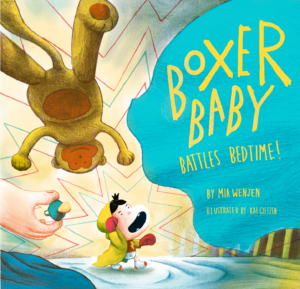 Amazon / Signed or Inscribed by Me
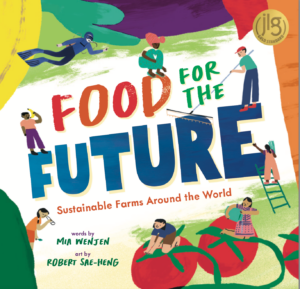 Amazon / Barefoot Books / Signed or Inscribed by Me
Food for the Future: Sustainable Farms Around the World
- ⭐ Starred review from School Library Journal!
- Junior Library Guild Gold selection
- Massachusetts Book Award Long List
- dPICTUS 100 Outstanding Picture Books of 2023
- Chicago Library’s Best of the Best
- 2023 INDIES Book of the Year Awards Finalist
- Green Earth Book Award Long List
- Nautilus Silver Winner, Nonfiction Children’s Picture Book
- Sunshine State Young Readers Award Orange Blossom List for Nonfiction
- Imagination Soup’s 35 Best Nonfiction Books of 2023 for Kids
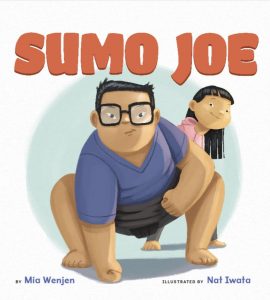
Amazon / Signed or Inscribed by Me
Bank Street College’s The Best Children’s Books of the Year
 Amazon / Signed or Inscribed by Me
Amazon / Signed or Inscribed by Me